
Cecil County · ZIP 21930
Georgetown, MD water damage restoration for farmhouses and river homes
Farmhouses from the 1800s stand a short drive from river houses built in the 1990s around Georgetown, and the decade your home dates from says a lot about where water gets in. Whatever its age, it almost certainly runs on a well and septic, so that's where we start.
Page reviewed
Basement wet near the Sassafras? Tell us the road and whether the pump is still running.
Water in the Basement? Call NowWells and septic along the Sassafras
Almost every home in the Georgetown area supplies its own water. A pump in a drilled well pushes water to a pressure tank inside the house, and waste flows to a septic tank and drain field in the yard. It works quietly for years, and it changes what you do in the first minutes of a leak.
With no utility valve to close at the street, the pump is what keeps a broken pipe running. Pressure drops, the pump starts, and it replaces every gallon that escapes. So the pump's breaker is the first switch to reach for, and the valve beside the pressure tank is the second.
Label both clearly. River homes and farmhouses here often have the tank in a crawl space, utility closet or outbuilding, and the person who finds a leak may be a guest, a renter or a neighbor checking on the place.
After a large leak that ran down the drains, or a backup from a basement fixture, keep water use light for a few days so the drain field can recover, and have a septic contractor look if drains stay slow or the ground over the field turns soggy. A crew will want to know where the breaker, tank and cleanout are before setting up.
Pump running and water spreading near Georgetown? Call and we'll tell you when a crew can get there.
Ask for a Crew VisitGeorgetown and the Sassafras River
Georgetown is a small river village at the Route 213 bridge over the Sassafras River, at the southern edge of our Cecil County region. The village itself sits on the Kent County bank; ZIP code 21930 is a small one on the Cecil side of the bridge, and many homes nearby use neighboring ZIP codes. Around it lie farm fields, stands of woods and marinas, with homes scattered along the roads and down lanes toward the water.
The housing covers two centuries. There are old farmhouses of frame and brick, many enlarged with kitchens or bedrooms over crawl spaces, and modest mid-century ranches and cottages near the river. Newer, larger homes, some built as second homes or retirement houses, sit on big lots with water views. Older houses tend to have crawl spaces, while many newer ones have full basements with sump pits.
Many houses are lived in year-round; others are weekend places or seasonal rentals tied to boating on the river, and they can sit empty for weeks. A leak in an empty house on a well can run until someone arrives.
We connect Georgetown homeowners, second-home owners, landlords and tenants across ZIP code 21930 with local restoration crews.
The land is low and fairly flat, with heavy soils in places that hold water after a long rain. Groundwater sits close under some basements and slabs near the river, and summer humidity off the water slows drying.
Winters bring hard freezes, and wind off open fields and water finds crawl spaces and exterior walls in older additions. Pipes in unheated spaces are the most common winter loss, and cold snaps can arrive quickly after a mild spell.
This is one of the most remote corners we reach. Crews drive a long way, and some homes sit down unmarked lanes or behind gates. Shutting off the pump, moving belongings off wet floors and photographing the damage before they arrive makes the most difference.
Boathouses, sheds and guest cottages sometimes share a well line with the main house. Put a labeled valve on each branch, and drain the outbuilding lines before the first hard freeze.
A frozen line in a river house: thawing it and knowing when to stop
On a bitter morning near the Sassafras, a faucet that gives a trickle or nothing at all usually means the line feeding it has frozen, often in a crawl space under an addition, an exterior wall that faces the wind, or a line running out to a cottage or boathouse.
If it hasn't split, it can often be thawed carefully. Stand ready at the pump breaker and the valve at the pressure tank first, because a hidden crack starts leaking the moment the ice turns to water. Then open the faucet on that line so meltwater has a way out.
Warm the pipe slowly, working from the faucet back toward the frozen section: a hair dryer, towels soaked in hot water, or a space heater kept well clear of anything that burns. Never use a torch or open flame near pipes, wiring or old framing.
Some thaws are a plumber's job: a frozen section inside a finished wall, deep in a crawl space you can't reach, or in an outbuilding. Hissing, a bulge or frost on the pipe, or water appearing as it warms all mean it has split. Cut the pump's power, close the valve and call. Once it's repaired, insulate that run before the next cold snap.
Pipe split in a crawl space near Georgetown? Call and we'll get a crew out today.
Call to Arrange a CrewHeavy soil and wet ground against the foundation
Parts of the land around Georgetown have heavy, slow-draining soil, and much of it sits low and close to the river. After days of rain or a spring thaw, that ground fills up and stays wet, and water in saturated soil presses against foundation walls and rises under basement floors.
That pressure pushes moisture through the easiest paths: the joint where the floor meets the wall, cracks in older block or poured walls, gaps around pipes that pass through the foundation, and the seams of old stone foundations. The result may be a slow seep, a damp band along the wall, or water appearing days after the rain stops.
Most of it starts above ground. Gutters that overflow, downspouts that empty beside the wall and yards that slope toward the house all load the soil next to the foundation. Extensions that carry water several feet out, and grading that falls away from the house, reduce the load.
Where groundwater is the problem, a sump pit with a working pump, and drain tile to feed it, carries water out before it builds up. Crews dry what got wet and measure the walls and floor with meters. A waterproofing contractor can advise on longer-term fixes if seepage keeps returning. Keep downspout water away from the septic field too.
Damp basement wall after the rain near Georgetown? Talk it through with us before you decide.
Talk It Through With UsGeorgetown water damage questions
Because the soil keeps draining toward the house long after the rain ends. On low, heavy ground near the Sassafras, it can stay saturated for days, pushing moisture through the wall. Gutters, downspout extensions and a working sump shorten that window.
Not always. Pad soaked with clean water usually goes, but the carpet itself can often be lifted, dried and relaid if it's dried quickly. Carpet soaked by a sewage backup, or by groundwater that sat for days, is usually removed.
If the basement depends on a sump, yes. Storms that fill the pit are the same storms that cut power on rural lines. A battery backup buys hours, and a high-water alarm that alerts your phone matters most in a second home.
Usually because something is still damp: pad under carpet, the bottom of a wall, a box stored against the foundation, or the air itself on a humid river day. A meter check can find it. A dehumidifier set around 50 percent keeps the smell away.
A local restoration company in our network. We connect you with a crew that serves southern Cecil County, and they inspect, explain the work and do it. You speak with them directly about scheduling, access and what happens next at your house.
Framing, subfloor, masonry and many solid materials dry in place. Soaked pad, insulation and ceiling drywall usually come out, and anything touched by sewage goes. Wall drywall is measured, and often only the wet bottom portion is cut out so the cavity can dry.
Usually only from the wet rooms, so the crew can reach floors and walls. Furniture can often go to a dry room or onto blocks. For larger losses, belongings can be packed out, cleaned and stored until repairs are done.
Keep our number with a neighbor or caretaker who has a key and knows where the pump breaker is. A temperature alert and leak sensors that text you give early warning. If something goes wrong, call and tell us who will meet the crew.
Yes, though it may take longer, especially at night. Give the road name, the lane, any gate code and a landmark when you call. Turn on outside lights and leave the gate open if you can. Soft lanes after heavy rain can slow trucks.
Nearby communities and related services
Georgetown is part of our Cecil County region. Services Georgetown households use most:
- Basement Seepage & Groundwater
- Frozen Pipe Burst Cleanup
- Sump Pump Failure Cleanup
- Vacant Unit Water Damage
- Wet Carpet & Flooring Drying
- Contents Pack-Out & Restoration
Neighboring communities:
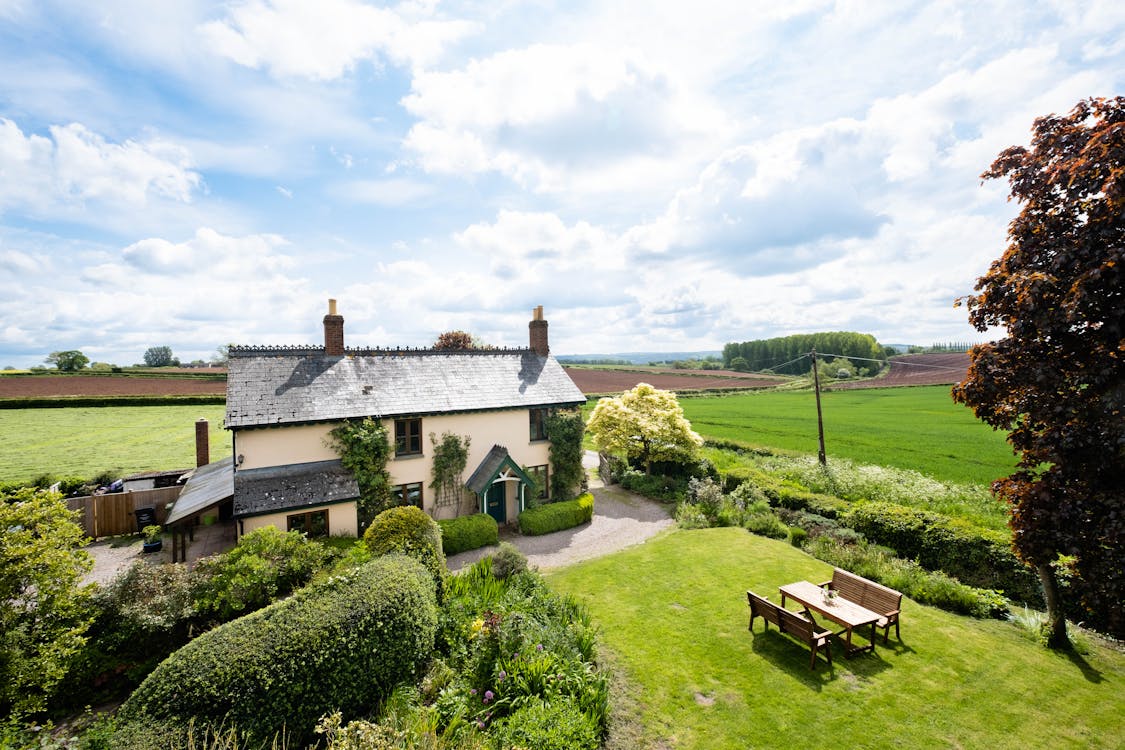
River home or farmhouse near Georgetown? Call first.
We'll connect you with a crew that knows wells, wet ground and houses that sit empty.
Found water after dark near Georgetown? Call tonight and we'll send someone.
Call, Even After Dark