
Cecil County · ZIP 21919
Earleville, MD water damage restoration for country homes and second homes
"We're on a well out here. What do we do first?" That's the first question to answer in any Earleville water loss, and the answer is the pump's breaker. This page covers wells and septic, frozen pipes and sump pumps, for year-round homes and second homes alike.
Page reviewed
Earleville house wet? Tell us where and whether you're on a well.
Water in the Basement? Call NowYour own water system: wells, pressure tanks and septic
Nearly every Earleville home has its own water system. A pump in a drilled well sends water up a buried line to a pressure tank in the basement, utility room or crawl space. When a pipe bursts, pressure drops, the pump switches on, and it keeps pumping into the break until its power is off.
So on a well, the breaker comes before the main valve, every time. Label both, and in a second home, make sure the neighbor or caretaker who checks the house knows where they are.
Waste goes to a septic tank and drain field sized for ordinary use. After a large leak that ran down the drains, or a backup through a basement fixture, keep laundry and showers light for a few days, and call a septic contractor if drains stay slow.
Without a utility meter, the pump is your leak detector: with every fixture off, it should stay quiet. If it cycles, water is escaping somewhere. Crews working here will ask about the breaker, tank and cleanout before planning the drying.
Pump running nonstop in Earleville? Give us the road and we'll send someone.
Ask for a Crew VisitEarleville at a glance
Earleville is a rural community in southern Cecil County, on the necks of land between the Elk, Bohemia and Sassafras rivers, with Cecilton to the east, Georgetown to the south and Warwick beyond. The land is flat to gently rolling farmland and woods, with homes spread along the roads and down lanes toward the water.
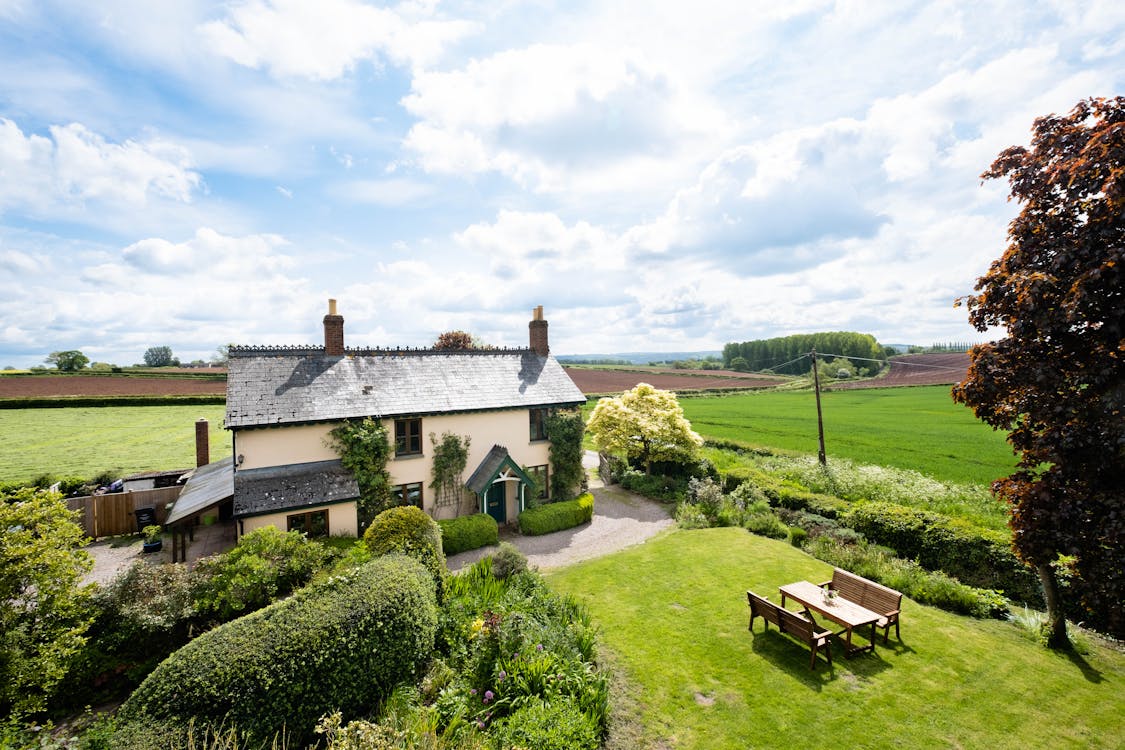
Housing ranges from older farmhouses, many enlarged over the years with additions over crawl spaces, to mid-century ranches and newer homes on large lots, including a number of waterfront houses. Some are year-round homes, and a good share are second homes or seasonal rentals that sit empty for weeks at a time.
Nearly every property relies on a private well and a septic system. On a well, a burst pipe keeps running until the pump's breaker is off, and a big leak or backup can strain the septic system. In an empty house, that can go on for days.
We connect Earleville homeowners, second-home owners, landlords and tenants across ZIP code 21919 with local restoration crews.
Low ground near the rivers keeps groundwater close under some slabs and basement floors, and summer humidity slows drying. Winter wind across open fields and water reaches exposed walls, crawl spaces and well lines, and cold snaps can be sharp.
Earleville is a long drive from the county's larger towns, and homes sit far apart down private lanes, so crews take longer to arrive. Knowing your shutoffs, moving what you can and photographing everything before they get there makes the biggest difference.
For second homes and rentals, the most useful preparation happens in the fall: drained lines or reliable heat, a temperature alert, leak sensors, and a neighbor or caretaker who knows where the pump breaker is.
Some properties have boathouses, sheds or guest cottages with water lines on the same well. One labeled valve for each building, and draining outbuilding lines before the first hard freeze, prevent a lot of spring surprises. Crews here are used to long lanes, gates and houses that are hard to find at night, so outside lights, a mailbox number and a landmark all help.
Thawing a frozen pipe without making it worse, and when to shut the main off
A faucet that slows to a trickle on a bitter Earleville morning usually means the line feeding it has frozen, often in a crawl space or an exterior wall facing the wind. If it hasn't split, it can often be thawed carefully.
Before adding heat, be ready at the pump breaker and main valve, since a pipe with a hidden crack starts leaking the moment the ice melts. Open the faucet on that line so meltwater and pressure have somewhere to go. In a second home, check that the heat is on first.
Warm the pipe slowly, starting at the faucet end and moving toward the frozen section, with a hair dryer, warm towels, a space heater kept well back, or by warming the room. Never use an open flame or torch near pipes or framing.
Some frozen runs are out of reach: inside a finished wall, far back in a crawl space, or in a barn or shed. Those are a plumber's job. Signs of a split include frost or a swelling on the pipe, a hissing sound, or water showing up as it warms. Then turn off the pump, close the main and call, and insulate that run before winter comes back.
Frozen line and not sure what to do? Speak with someone who knows southern Cecil.
Get Connected to a Local CrewThe sump pit on low ground
Where an Earleville house has a full basement, it usually has a sump pit, where drain tile around the foundation collects groundwater and a pump sends it outside. On low ground near the rivers, that pump may run often even in ordinary weather, and for hours in a wet spring or a long storm.
That's when it tends to fail: the float catches on the pit wall, the motor wears out sooner from frequent cycling, the check valve lets water fall back, or a storm cuts the power on a rural line.
A battery backup pump buys hours, and a high-water alarm that alerts your phone gives warning before the floor gets wet, which matters most in a house that sits empty. A standby generator installed by an electrician is another option.
Test the pump each spring by pouring a bucket of water into the pit, keep it clear of silt and sand, and make sure the discharge empties well away from the house. If water reaches outlets or the panel, stay out and call your utility first. Sand and silt wash into pits on low ground, so clean it more often, and replacing an older pump before it fails is cheaper than drying a basement.
Earleville water damage questions
Either keep the heat reliable with a remote temperature alert, or have a plumber drain the lines and switch off the well pump for the season. Add leak sensors that alert your phone, and ask a neighbor or caretaker to check the house regularly.
Where the pump breaker and main valve are, how to close the valves under sinks and toilets, and whom to call day or night. Post the numbers inside and ask guests to report any leak, however small, before they leave.
Heavy rain overwhelms gutters, sends runoff toward the house faster than it soaks in, and raises groundwater against the foundation on low ground. Steady rain rarely reaches that point. Clear gutters, a working sump and good grading raise the threshold.
Several feet from the house, onto ground that slopes away, and ideally away from the septic field too. On flat Earleville lots, extensions or splash blocks help carry water clear. A downspout emptying at the foundation puts roof water against the wall.
Be ready at the pump breaker and main in case it has split. Open the faucet it feeds and warm the pipe gently from that end with a hair dryer or warm towels. Never use a flame. If it's inside a wall or crawl space, call a plumber.
Keep the heat at a steady setting with a temperature alert, or drain the lines and shut off the pump. Arrange regular checks, put leak sensors by the water heater and pressure tank, and close crawl-space vents before the first freeze.
When readings show the framing, subfloor and remaining walls are dry, often within a week for a clean-water loss. In a second home, repairs can be planned for your next visit. The crew's final readings, not a calendar, set the date.
Label the pump breaker and main, keep heat steady or drain lines in winter, close crawl-space vents and insulate exposed lines. Replace rubber washer hoses, test the sump each spring and add leak sensors that alert your phone. Label your pump breaker too.
Usually both. The plumber, or on a well sometimes a well contractor, repairs whatever failed. The restoration crew removes the water, maps where it went and dries the structure. Out here it helps to call both early so travel overlaps.
Nearby communities and related services
Earleville is part of our Cecil County region. Services Earleville households use most:
- Vacant Unit Water Damage
- Frozen Pipe Burst Cleanup
- Sump Pump Failure Cleanup
- Burst Pipe Water Damage
- Rental Property Water Damage
- Sewage Backup Cleanup
Neighboring communities:
Second home or rental in Earleville? Tell us about the property.
Managing a Building? Call UsCountry home or second home near Earleville? Call first.
We'll connect you with a crew that knows wells, septic and empty houses in winter.
Water stopped? Ask us what happens next at your Earleville house.
Ask What Happens Next