
Cecil County · ZIP 21914
Charlestown, MD water damage restoration for historic houses and river homes
North East next door is a busy small town on Route 40. Charlestown, a short drive down the river, is quieter and older: a colonial-era village of brick and frame houses with stone cellars, and newer homes spread along the roads around it. Both kinds of house get wet in their own ways.
Page reviewed
Charlestown cellar or basement wet? Tell us what you see.
Water in the Basement? Call NowThe short version
First steps in Charlestown
On a well, switch off the pump's breaker, then close the main. On town water, the main valve comes first. Keep clear of water near outlets, photograph everything, then call.
Charlestown at a glance
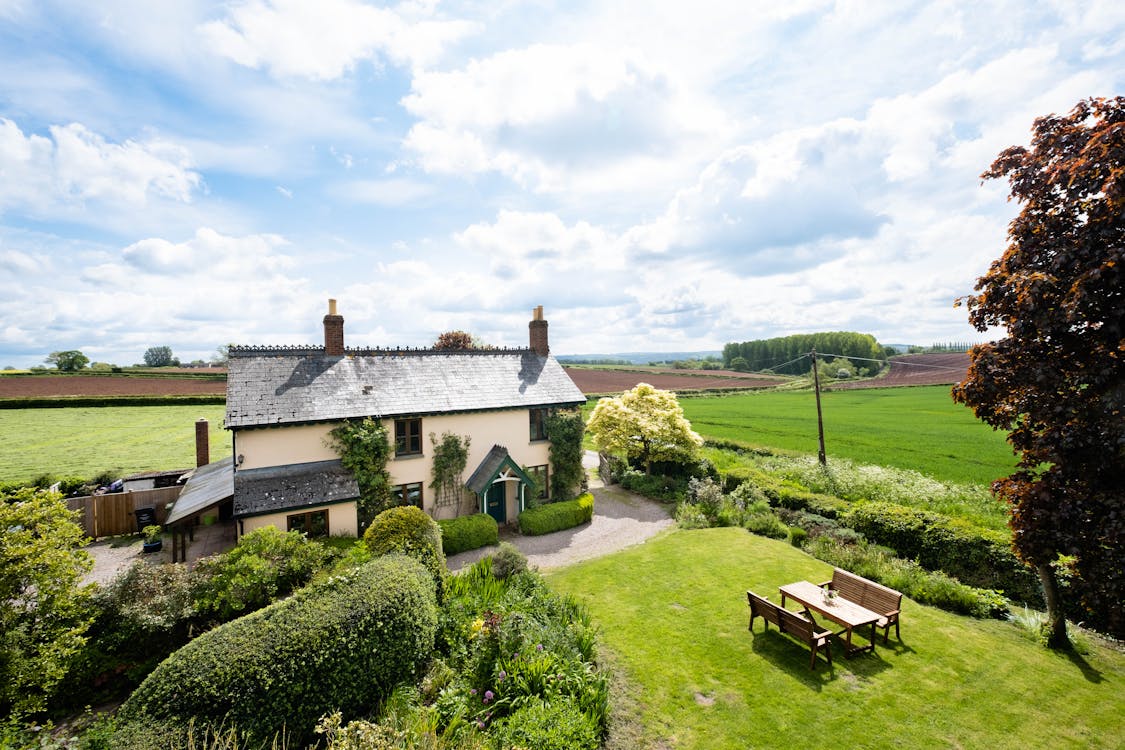
Charlestown is a small town in Cecil County on the west bank of the North East River, with North East to the north-east, Perryville to the west and Elkton beyond. It was laid out in the 1740s as a port, and its historic streets still hold a number of eighteenth- and nineteenth-century houses among later homes.
The older houses are brick, stone and frame, many with stone or brick cellars, plaster walls, wide-board floors and plumbing added long after they were built. Around the historic core, the twentieth century added bungalows, ranches and newer homes, and some houses along the river have been enlarged or rebuilt as year-round or second homes.
Water service varies. Some homes in town are on public water, while many properties outside the center rely on private wells and septic systems. If there's a pressure tank in your cellar, the pump's breaker is your first stop in a leak.
We connect Charlestown homeowners, second-home owners, landlords and tenants across ZIP code 21914 with local restoration crews.
The town sits on low ground near the river, where groundwater can sit close under cellar floors, and summer humidity off the water slows drying. Winter wind across the river reaches exposed walls and crawl spaces, and old houses with little insulation are especially exposed.
Some Charlestown houses are second homes, visited on weekends or in summer. Those are the ones most at risk from a winter freeze, because nobody hears the pump running or sees the stain until the next visit.
Many historic houses have been renovated in stages over two centuries, so a single building can combine stone, brick, plaster, modern drywall and plumbing from several eras. Readings, not appearances, decide what gets removed, and careful drying in place is worth the time.
Charlestown is a short drive from North East and Perryville, but crews may be working elsewhere in the county when you call. Knowing your shutoffs and moving what you can before they arrive makes the biggest difference. Crews coming from North East or Perryville know the town's narrow streets well, and some houses near the water have crawl spaces rather than full cellars.
Wells and septic outside the town center
On a well, the water system is your own: a pump in the well, a buried line to the house and a pressure tank, often in an old stone cellar, that keeps water ready. When a pipe bursts, pressure drops and the pump switches on, and it keeps running into the break until its power is off.
That's why the breaker comes before the main valve, every time. Label both, and in a second home, make sure anyone who looks after the house knows where they are and how to shut them off.
A septic tank and drain field are sized for ordinary household use. After a large leak that ran down the drains, or a backup through a cellar fixture, keep water use light for a few days and call a septic contractor if drains stay slow.
Without a utility meter, the pump is your leak detector. With every tap closed it should stay quiet; if it cycles, water is escaping somewhere. Crews here will ask where the breaker, tank and septic cleanout are before planning the drying.
Well pump running nonstop in Charlestown? We'll tell you straight when someone can come.
Ask for a Crew VisitWhere Charlestown pipes freeze
A pipe freezes where cold air reaches it, and old houses near the river give cold air plenty of chances: supply lines in exterior walls facing the wind, crawl spaces under additions and porches, back kitchens, garages, and the well line where it enters a cold cellar.
Ice expands, and the pressure usually splits the pipe between the ice and a closed valve rather than at the frozen spot. Nothing leaks while it's frozen; the water arrives on the first mild day, often inside a wall or ceiling.
In a second home that sits empty, that thaw can go unnoticed for days, and on a well the pump keeps feeding the break the whole time. That's the most expensive kind of freeze in a town like this.
For an empty house, either keep the heat reliable with a temperature alert or have a plumber drain the lines and shut off the pump. For an occupied one, insulate exposed lines, close crawl-space vents and open cabinet doors on bitter nights. A remote temperature alert on the thermostat costs little and catches most of these problems early.
Second home or rental in Charlestown? Tell us about the property.
Call About Your PropertyCast-iron drains and old laterals
Before plastic drains, houses were plumbed with cast-iron drain and vent pipes joined with lead and oakum or later with rubber couplings, and many Charlestown houses still have them. Cast iron corrodes from the inside, especially along the bottom of horizontal runs in the cellar, and joints loosen as old buildings settle.
Drain leaks come and go because drains carry water only when fixtures are used. A stain on the cellar ceiling that grows after showers, a damp spot under the kitchen stack or a sewer smell near a cleanout all point the same way.
Where the house connects to a sewer, roots can work into an old clay or cast-iron lateral and cause backups in heavy use. On septic, a blocked line to the tank causes the same kind of trouble.
Water from a drain has been used, so porous materials it soaks are handled more cautiously than with a clean supply leak. A plumber can camera-inspect the lines; the restoration crew cleans and dries. Older bathrooms may have a lead bend under the toilet, another common weak point.
Drain leak in the cellar ceiling? We'll help get it dried once it's fixed.
Get Help Drying It OutNearby communities and related services
Charlestown is part of our Cecil County region. Services Charlestown households use most:
- Vacant Unit Water Damage
- Frozen Pipe Burst Cleanup
- Sewage Backup Cleanup
- Basement Water Damage
- Drywall Water Damage Repair
- Moisture Detection & Inspection
Neighboring communities:
Charlestown water damage questions
Slowly. Stone walls and their mortar joints hold moisture for weeks, and plaster applied over stone dries even more slowly. Crews use dehumidifiers and steady airflow, take readings over time, and avoid closing anything up until the stone and plaster read close to dry areas.
Either keep the heat on reliably with a temperature alert, or have a plumber drain the lines and shut off the pump or main for the season. Ask a neighbor to check in, and install leak sensors that alert your phone.
Keep the heat at a steady setting with a remote temperature alert, or have the water shut off and the lines drained. On a well, switch off the pump too. Arrange a weekly check, and put sensors near the water heater and pressure tank.
Sound plaster on lath or stone can often be dried in place, though it takes several days. Sections that have softened, bulged or pulled away are removed. In an old Charlestown house, saving original plaster is usually worth the extra drying time.
Yes. Roots seek out the moisture in old clay and cast-iron laterals and grow through the joints, slowly narrowing the line until it backs up during heavy use. A plumber can camera the line and clear or repair it. Roots grow back, so check it again.
Yes. As long as it has power, the pump refills the pressure tank and pushes water into any break, so a split line keeps flowing until someone notices. In a second home, that can mean days of flow. Switching off the breaker stops it.
Stay out of the water and don't touch anything electrical. Leave the area and call your utility, and have an electrician check before power is restored there. In an old house with older wiring, that check matters even more. Tell your utility right away.
In most older Charlestown houses, in the cellar on the wall facing the street, where the service line or well line comes in. On a well, the pump breaker in the electrical panel matters as much as the valve. Label them both.
Fans alone mostly push damp air around, and near the river the air is often humid to begin with. Stone and plaster give up moisture slowly. Drying needs dehumidifiers, air movers aimed at wet surfaces, and readings to confirm when it's done.
Historic house or river home in Charlestown? Call first.
We'll connect you with a crew that knows stone cellars, wells and second homes.
Tell us the street and what's wet, and we'll get a crew out to Charlestown today.
Call to Arrange a Crew