
Walls · Ceilings · Insulation
Drywall water damage repair for homes in central and northeast Maryland
Drywall pulls water up from the floor and holds it. Some wet drywall dries well in place; some has to come out. We connect you with local crews who measure how far the water climbed, remove only what won't recover, dry the framing behind it and leave the wall ready for repair.
Page reviewed
Let us know which walls are wet and how high the water reached.
Call to Arrange a CrewHow water behaves in drywall
Drywall is a gypsum core faced with paper. The gypsum absorbs water readily, and the paper wicks it upward, so a wall sitting in an inch of water can read wet a foot or more above the floor. Behind it, the bottom plate, the lower ends of the studs and any insulation take on water too.
Whether drywall can stay depends on a few things: how wet it got, for how long, whether the water was clean, and whether the board has lost its strength. Clean water caught quickly can often be dried in place. Drywall that has softened, swollen, crumbled at the bottom edge or pulled off its screws has to be replaced. So does any drywall that was touched by sewage.
Why cut instead of dry?
Sometimes it's faster and more thorough to remove the bottom section of a wall than to dry it. Opening the wall lets the crew pull out wet insulation, see the framing and dry the cavity directly. The cut is made in a straight line a little above the highest wet reading, which makes the patch simpler.
What people usually notice
- A tide line or discoloration running along the lower wall
- Paint bubbling or peeling, or paper facing that's lifting
- Baseboard swelling, separating or staining
- Drywall that feels soft or gives when pressed
- Screw heads or tape seams showing through on walls or ceilings
- A ceiling panel sagging between joists
- A musty smell strongest near one wall
The visible line isn't a reliable guide to how high the water went. The board often reads wet well above it, which is why moisture readings are taken before anything is cut.
Where wet drywall comes from
Water on the floor
Any loss that puts water on the floor, from a washer hose to a water heater to a sump failure, wicks into the walls around it. Finished basements are the most common place for this in the corridor, since walls meet the slab at the lowest point in the house.
Water from above
Leaks from bathrooms, units upstairs, roofs and air handlers soak ceiling drywall and run down inside walls. Ceilings sag because insulation above them holds the water in place.
Leaks inside the wall
Shower valves, drain lines and supply pipes in the cavity wet the back of the board, and the damage often shows late. See water leaks behind walls.
Exterior and below-grade walls
Basement walls framed against a foundation can wet from behind when groundwater or drainage problems let water through the concrete or block.
Plaster in older homes
Many pre-war houses and rowhouses have plaster on lath instead of drywall. It's handled differently: it's denser, dries more slowly and can loosen from the lath when soaked. Sound plaster is often dried in place.
The first hour
Stop the water, get it off the floor and pull furniture a foot or so away from wet walls. Take photos of the walls, including the base where they meet the floor. If water is near outlets or panels, do not enter and call your utility and emergency services.
Don't start cutting drywall yourself before readings are taken. Without a meter, it's hard to know where the wet area ends, and cuts in the wrong place make the repair larger.
Shared walls
In a townhouse, condo or apartment, a wet wall may be shared with a neighbor. Let them and the management office know. Drying often needs to happen on both sides, and access to the next unit may be needed.
If you rent
Tell your landlord or manager promptly, in writing if you can. Removal and rebuild need the owner's approval.
Ceiling drywall holding water needs care to open. Call before it comes down.
Water Coming Through the Ceiling? Call NowHow wet drywall is handled
Measure
Meters map how high and how far the water spread through each wall and ceiling.
Decide: dry or remove
Based on the water source, readings and the condition of the board. Clean, sound drywall is dried; soft or contaminated board comes out.
Remove baseboard
Trim comes off so the bottom of the wall can be checked and dried, and is saved where possible.
Cut and remove where needed
A straight cut above the wet line, and wet insulation removed from the cavity.
Dry the framing
Air movers and dehumidifiers dry the studs, plates and any remaining board. Small holes behind the baseboard can let air into walls that stay closed.
Verify
Framing and remaining drywall are compared against dry walls in the same home.
Hand off for repair
New insulation, drywall, tape, finish and paint, once readings are normal.
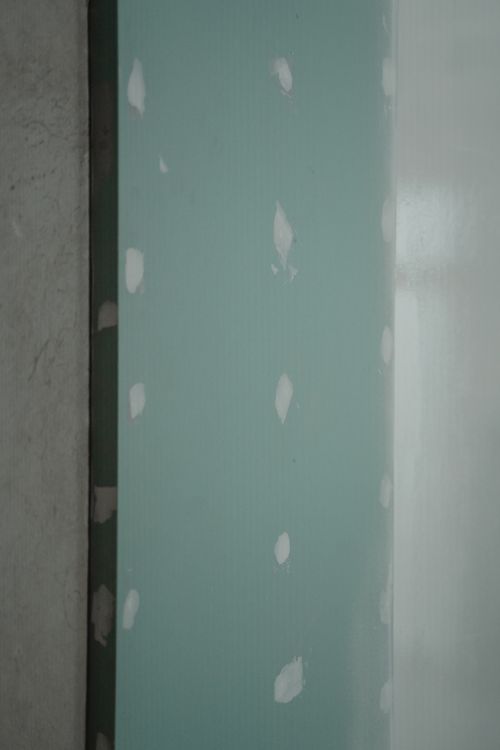
What affects time and cost
- How much wall and ceiling area got wet, and how high
- Whether the water was clean or contaminated
- Insulation in the walls, especially exterior and basement walls
- Plaster versus drywall
- Built-ins, cabinets and tile that sit against wet walls
- Paint and texture matching on the repair
Removal and drying are priced before work starts. Hanging, finishing and painting new drywall are a separate step once framing is dry.
A clear price for removal and drying, before any cut.
Call for Upfront PricingAfterward
New drywall should only go up over framing that reads dry. Closing a wall over damp studs traps moisture, and the paint often shows it later. Once readings are normal, insulation is replaced, board is hung and finished, and the wall is primed and painted. In basements, some owners choose moisture-resistant board or leave a small gap at the floor for next time.
If the water came from outside, fix the cause before rebuilding: grading, gutters, downspouts or the foundation itself.
Keep your photos with the crew's records of what was removed and why. If you're speaking to your insurer, what applies depends on your individual policy, so ask them directly. In a condominium, notify the association.
Related services and areas
Related services
- Water Leak Behind a Wall
- Ceiling Water Damage Repair
- Finished Basement Water Cleanup
- Structural Drying & Dehumidification
- Mold Remediation
- Reconstruction & Repairs
Regions
Questions
Drywall water damage questions
Often, if the water was clean, it was caught quickly and the board is still firm. Drying equipment and readings confirm it's back to normal. Drywall that has softened, swollen, crumbled or been touched by sewage is replaced.
There's no single height. The crew measures how far the water wicked, then cuts in a straight line a little above the highest wet reading. That's often somewhere between one and four feet on a wall that sat in water.
Fiberglass batts that got soaked usually do. They hold water against the framing, sag and lose their shape. Rigid foam board sometimes stays if it's sound and the space behind it can dry. The crew decides from what they find.
The bottom of the wall and the plate behind it are the wettest parts. Removing trim lets the crew measure and dry them, and it's where small drying holes go if the wall stays closed. Trim is saved and reinstalled where possible.
Once the leak is fixed and the drywall reads dry, yes, with a stain-blocking primer first. Painting over damp drywall usually brings the stain back and hides moisture in the wall.
Water can wet both sides of a party wall. Let your neighbor, and the association if there is one, know. Drying may need access to both units. Questions about who handles the repair are for the association and your insurers.
No. Plaster on lath, common in older homes, is heavier and slower to dry, and it can separate from the lath. Crews often dry sound plaster in place and remove only sections that have come loose.
When the framing reads dry, which is often three to five days after drying starts for a typical wall. Insulated exterior walls and basements can take longer. Rebuilding sooner risks trapping moisture.
It resists moisture better than standard board and is often used in bathrooms and basements. It still isn't waterproof, and it still has to be removed if it gets soaked. It's a reasonable choice when rebuilding a basement.
Walls wet? Measure before anything gets cut.
We'll connect you with a local crew that removes only what won't dry and dries the rest properly.
We'll ask how high the water reached and what the walls are made of.
Talk to a Restoration Pro