
Anne Arundel County · ZIP 21140
Riva, MD water damage restoration for split-levels, colonials and creekside homes
Close the main valve before anything else. In most Riva houses it's in the basement or utility room where the line comes in, often near the water heater. Then lift what you can off the wet floor, take photos and call. The rest of this page explains what comes next.
Page reviewed
Main valve closed? Tell us which rooms in your Riva house are wet.
Water in the Basement? Call NowRiva at a glance
Riva is in southern Anne Arundel County on the north side of the South River, south-west of Annapolis, with Crownsville to the north and Gambrills to the north-west. Riva Road and Central Avenue carry most of the traffic, and quieter roads branch off toward neighborhoods along the creeks that feed the river.
Most of the housing went up from the 1950s onward. Older creekside communities have cottages and ranches that have been enlarged over the years, while later subdivisions brought split-levels, split-foyers and two-story colonials on wooded lots. Nearly every detached house has a basement or a lower level partly below grade, and many are finished.
Those lower levels are where most Riva water damage ends up. A split-level's family room sits a few feet below the yard, with windows in wells at ground level. A finished basement hides slow leaks under carpet and behind drywall. And many homes of the same age are reaching the point where water heaters and washer hoses wear out.
We connect Riva homeowners, landlords, tenants and associations across ZIP code 21140 with local restoration crews.
Most of Riva is served by public water and sewer, though some homes on larger lots rely on wells and septic. The land slopes down toward the creeks, and in lower neighborhoods groundwater sits close under basement floors after long rains. Humid air off the river slows drying in summer.
Tall oaks and poplars shade most lots, filling gutters every autumn and bringing branches down in storms. Summer thunderstorms that stall over the area can overwhelm gutters and downspouts that empty right beside the house.
Many creekside homes have been expanded more than once, so an original cottage may now sit in the middle of later additions, with plumbing from several eras and crawl spaces under some rooms. That patchwork is worth knowing about before water finds it.
Because the first minutes matter most, the sections below start with the finished lower level, then cover the outside causes and how to tell seepage from a leak. Riva homeowners who rent out a house should walk tenants through the shutoffs on move-in day.
The finished lower level and the slow leak
A finished basement or split-level family room hides water in layers. Carpet sits on pad, pad sits on the slab, and drywall or paneling runs down to a bottom plate on the concrete. A slow drip spreads under the pad and wicks up the wall before anything shows on the surface.
The drip usually starts at the water heater, a washer hose or a sweating cold-water line. By the time a Riva homeowner sees a swollen baseboard or feels damp carpet, the pad is soaked and the wall has been wet at its base for days.
Below grade, drying is slower than upstairs. The slab gives up moisture gradually and cool basement air holds humidity. Pad usually comes out, carpet can sometimes be lifted, dried and relaid, and drywall is measured and often cut a little above the wet line so the cavity can dry.
Early warning costs little: a water sensor beside the heater and another under the laundry, a weekly look into the utility room, and a meter check whenever the water bill jumps. Those habits catch most slow leaks before they spread.
Riva basement carpet feels damp? A crew can map how far it went today.
Call to Arrange a CrewRiva water damage questions
It can. Low ground near the water often means groundwater sits close under the slab, so a sump runs more and basements stay damp longer, and humid air slows drying. A sump with a battery backup, good grading and a dehumidifier make a real difference.
Test the sump with a bucket of water, clear the window wells and gutters, make sure downspouts empty well away from the house, and look at the base of the walls for white crust or damp spots. Check the water heater's pan and the washer hoses too.
Yes. A gutter full of leaves spills its whole run of roof water right against the foundation, often above a window well. Under Riva's tall trees gutters fill fast in autumn, so clean them after the leaves drop and again in spring.
Very much on lots that fall toward a creek. Soil should slope away from the house on every side, and the uphill side takes runoff first. Over decades soil settles into troughs along the foundation; building those spots back up is one of the cheapest fixes.
Find the main shutoff first, since a split pipe will leak as soon as it thaws. Open the faucet on that line and warm the pipe slowly from the faucet end with a hair dryer or warm towels. Never use a flame. Hidden pipes need a plumber.
Most tank water heaters give eight to twelve years of service, and the manufacture date is usually coded on the label. Riva lower levels often put the heater right next to finished rooms, so a drain pan, a leak sensor and replacing an old tank on your schedule rather than its own spare a lot of cleanup.
Yes, a steady hum from air movers and dehumidifiers, day and night, for several days. The lower level can usually be closed off so the rest of the house stays quieter. Turning machines off overnight slows drying, so check with the crew first.
How far the water spread, how long it sat and whether it was clean or contaminated. Finished basements, hardwood and built-ins add work, as does a backup. The crew explains the scope for your Riva home and what drives it before starting.
An independent local restoration company. We answer the phone, ask what happened and connect you with a crew that works in homes like yours around the South River. That crew inspects, explains the plan and the cost, and carries out the drying and repairs.
Gutters, downspouts and window wells under tall trees
In Riva, the roof is often where a wet basement starts. Big trees shed into the gutters twice a year, and once the downspout outlet clogs, every storm pours off the eave onto the soil next to the wall, then follows the backfill down to the basement.
A downspout that ends at the corner of the house, or in a buried line that roots have cracked, soaks one spot on every rain. On lots that slope toward a creek, the gutters on the uphill side matter most, and a driveway that tilts toward the garage adds its own runoff.
Lower-level windows in split-levels and split-foyers sit in wells at ground level. A well without a working drain or a cover fills with leaves and rain and pushes water through the window frame. Exterior basement stairwells with clogged drains behave the same way.
The fixes are practical: clean gutters after leaf fall and again in spring, consider guards under heavy canopy, extend downspouts several feet onto ground that slopes away, and keep window-well drains clear or add covers. Watching the gutters in a heavy rain shows where the overflow is.
Water pouring in at a Riva window well? Dial straight through.
Call Now: (833) 869-1696Seepage, plumbing or condensation?
Basement water in a Riva house comes from outside through the foundation, from inside through plumbing, or out of humid air as condensation, and each has its own fix. Seepage tends to show up hours or a day after rain, along the base of an exterior wall or at the joint with the floor.
It often leaves a white mineral crust called efflorescence on block or concrete and dries between storms. On low lots near the creeks, some seepage may come up through the floor itself after a long wet spell.
A plumbing leak follows no weather pattern. It sits near a pipe, the water heater or the washer, grows steadily, and moves the meter's leak indicator with every tap off. Condensation is common in humid summers near the river: cold-water pipes and cool walls sweat, and the floor below stays damp.
Simple checks help. Tape a square of plastic to the wall for a day: moisture on the room side points to condensation, behind it to seepage. Read the meter before and after an hour with no water in use. Then the right trade can fix the cause.
Not sure whether it's seepage or a leak? Ask us what happens next.
Ask What Happens NextNearby communities and related services
Riva is part of our Howard & Anne Arundel region. Services Riva households use most:
- Finished Basement Water Cleanup
- Basement Seepage & Groundwater
- Gutter & Drainage Water Intrusion
- Sump Pump Failure Cleanup
- Water Heater Leak Cleanup
- Wet Carpet & Flooring Drying
Neighboring communities:
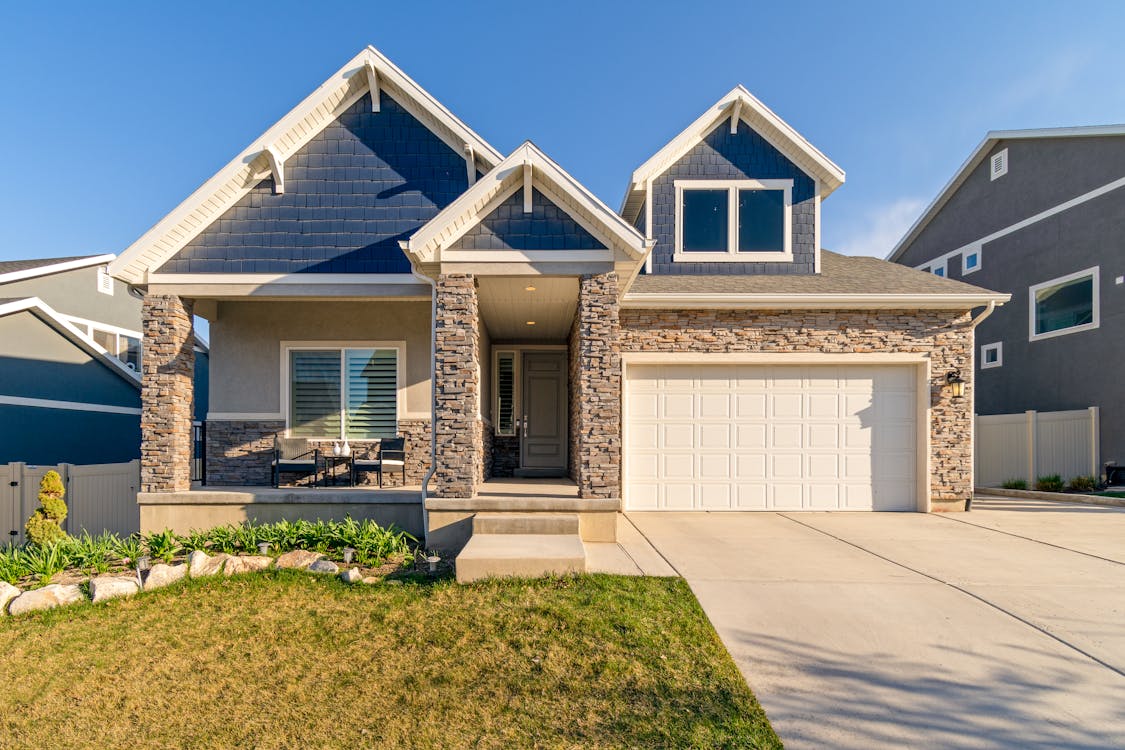
Split-level, colonial or creekside home in Riva? Call first.
We'll connect you with a crew that works in Riva's lower levels and creekside homes.
Ask what the drying will cost for your Riva home before any work begins.
Call for Upfront Pricing