Howard County · ZIP 20701
Annapolis Junction, MD water damage restoration for apartments and townhouses
"The water heater in the apartment above us leaked. Do we wait for them to deal with it?" In Annapolis Junction's newer apartment and townhouse communities, that's one of the first questions after a leak. Short answer: no. Here's what to do, and why.
Page reviewed
Property manager? Tell us the building and which units are wet.
Managing a Building? Call UsHow water crosses from one apartment to the next
In an Annapolis Junction apartment building or stacked townhouse, homes are separated by floors, ceilings and walls that slow water but don't stop it. Water that escapes upstairs follows gravity through the subfloor into the ceiling cavity below, spreads along joists or across concrete to the nearest opening, and comes out at a light fixture, a sprinkler head, a smoke detector or a drywall seam. Kitchens and baths stack, so the unit directly below usually finds out first.
Water also travels along the plumbing chases beside supply and drain risers, which can carry it past one floor to the next, and sideways at floor level through party walls into the home next door. So the unit that reports the leak often isn't the source, and waiting for the upstairs neighbor to notice only lets it spread.
Crews take readings above, below and beside the wet area, including units nobody has reported, so hidden wet ceilings and walls aren't missed. Drying may run in two or three homes at once, each at its own pace and each recorded separately. Questions about who handles which part of the repair belong with the property owner or association and each party's own insurer.
Dripping from the unit above? Call the office, then us.
Water Coming Through the Ceiling? Call NowAnnapolis Junction at a glance
Annapolis Junction is a small, fast-growing community in south-eastern Howard County, near where Route 32 meets US 1 and the Baltimore-Washington Parkway, with Savage to the west, Jessup to the north and Laurel to the south across the Patuxent. It takes its name from an old railroad junction, and a MARC station still serves the area. Office and business parks fill much of the land around it.
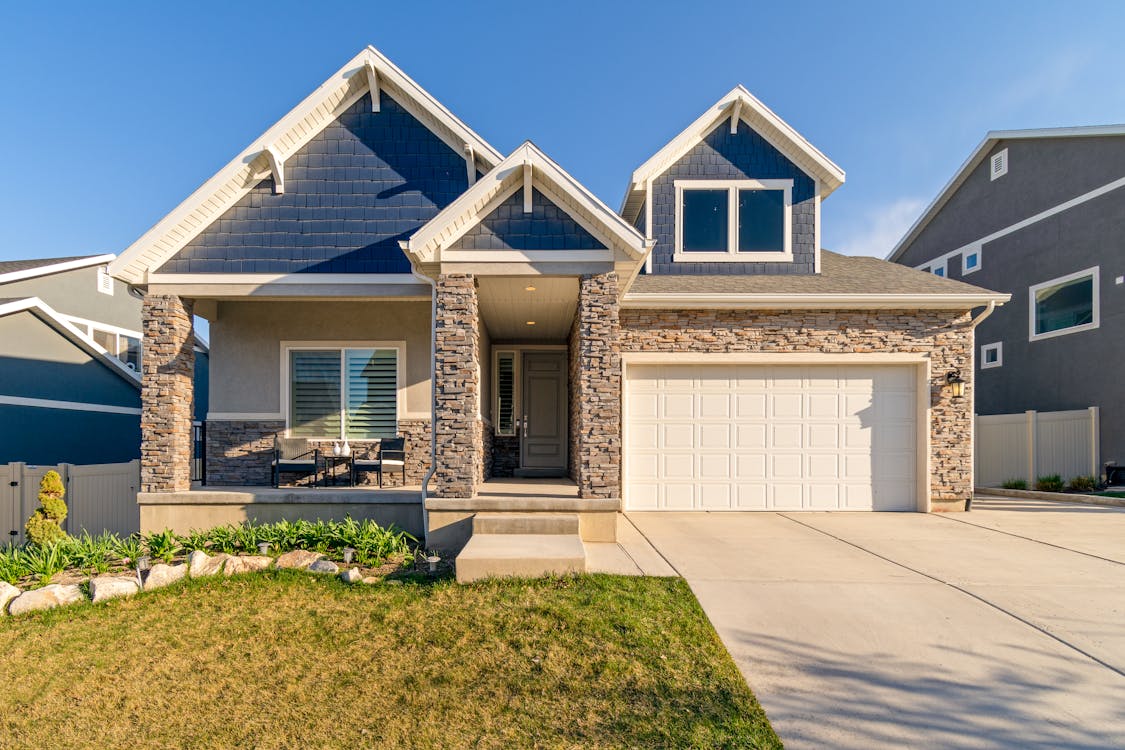
Most of the housing is recent: apartment communities, stacked condos and townhouse rows built largely in the last two decades, with a few older homes along the original roads. Many residents are renters and commuters who are out all day, and most buildings are run by management companies or associations that control access, risers and common areas.
New buildings still leak. Water heaters, washer hoses, dishwasher and ice-maker lines, sprinkler branches and supply lines can fail in any building, and in a stacked one the water goes straight to the unit below. Because units are often empty during the workday, a leak that starts in the morning may run until evening before anyone sees it.
Many residents here are new to the area and to their buildings, so it's worth learning a few things in the first week: where the unit's shutoff is, which closet holds the water heater, and the office's after-hours number. Renters should also check what their renter's policy includes for belongings.
We connect tenants, owners, landlords and property managers across ZIP code 20701 in Annapolis Junction with local restoration crews.
The area is served by public water and sewer. The land is gently rolling toward the Patuxent and its side streams, and the newer landscaping means younger trees, though gutters on townhouse rows still need clearing. Summer brings humid air and short, heavy storms that test balcony doors, roofs and downspouts, and winter freezes can split lines in exterior walls and unheated stairwells.
Because so many homes are rented and managed, the first call often comes from a tenant who can't approve work, or from a manager handling several units at once. Knowing whom to call, and having the office's after-hours number to hand, makes the first hour far smoother.
Access: getting into the unit above
Stopping a shared-building leak often depends on doors, not tools. The source may be in a unit whose tenant is at work, behind a locked mechanical closet, or on a riser whose valve sits in a room only staff can open. Management offices usually hold keys, know which valve controls which stack, and have a process for entering a unit in an emergency.
So don't wait for the neighbor upstairs to come home. Knock on the unit above or beside, then call the management office whether or not anyone answers. The office locates the source, shuts the smallest valve that will stop it, and warns residents who will lose water. The crew starts in whichever units are open and adds others as access is arranged.
Four parties usually need to hear promptly: the occupant of the source unit, the neighbors below and beside, the management office or association, and each party's own insurer. For managers, a labeled riser map and an after-hours contact list shorten every loss. Who handles what is decided by the property owner, association and insurers, never by the crew.
Can't reach the office? We'll connect you with a local crew.
Get Connected to a Local CrewSmall fittings in new buildings
Many of the leaks that reach the unit below start at a part smaller than a thumb, even in a new building. Braided supply lines to sinks and toilets, the small shutoffs under fixtures called angle stops, washing machine hoses, dishwasher lines and refrigerator ice-maker tubing can all fail. A line overtightened at installation can crack months later, and a plastic ice-maker tube can split when a refrigerator is pushed back into place.
These connections are under pressure around the clock, so a failure keeps running until someone closes a valve. In a stacked laundry closet, a split washer hose can soak the floor and the ceiling below within an hour, and in a building where most residents are at work during the day, nobody may notice until evening. A dishwasher line behind the cabinet can drip for weeks before the floor swells.
The fixes are inexpensive: braided washer hoses replaced every several years, a quick look under sinks and behind the washer each month, a drain pan or sensor under the washer and water heater, and a water sensor that alerts your phone. Most useful of all is knowing where your unit's shutoff is, and checking that it turns. Tenants should report even a small drip.
Annapolis Junction water damage questions
Yes. New buildings have new fittings, but lines overtightened or nicked during construction, sprinkler branches, ice-maker tubes and washer hoses can still fail. Many leaks in newer buildings show up in the first few years. Report any drip or stain to the office right away.
A water sensor under the washer, the water heater and the kitchen sink that alerts your phone is the easiest answer. Ask the office whether the building has leak alerts too, and give them a number where they can reach you during the day.
Usually through the property manager or association. The crew keeps separate readings, photos and notes for each unit, and drying in each ends when that unit reads dry. Repairs then follow access and approvals, with each party working from its own records.
Yes, a steady hum from air movers and dehumidifiers, running day and night for a few days. In an apartment the sound can carry to neighbors, so it helps to let them know. Switching machines off overnight slows drying, so ask the crew first.
Put a bucket under the drip and keep everyone out from under any sag. Knock on the door above, then call the management office whether or not anyone answers. Move electronics and valuables away, photograph the ceiling, and call us.
Usually, once the leak itself has stopped. Your unit gets its own readings and equipment and can finish on its own timeline, even if repairs upstairs are still waiting. If water is still coming through, drying below can't catch up, so the source gets stopped first.
Usually a written scope, dated photos from before and during the work, moisture readings showing each area reaching dry, and a list of anything removed. Keep them with your own photos for your insurer, your landlord and the management office.
Many apartments don't have their own meter, so ask the office. In a townhouse with a meter, turn off every tap and appliance and watch the small leak indicator. If it moves, water is going somewhere. For slow leaks, compare readings an hour apart.
Surface temperature, not water. Wet drywall often reads cooler, so the camera shows patterns like a cool patch on a ceiling below a bathroom. But ducts and cold exterior walls show up too, so crews confirm with a moisture meter before deciding anything.
Nearby communities and related services
Annapolis Junction is part of our Howard & Anne Arundel region. Services Annapolis Junction residents and managers use most:
- Multi-Unit & Apartment Water Damage
- Condo & Shared-Building Water Damage
- Ceiling Water Damage Repair
- Appliance Leak Water Damage
- Washing Machine & Dishwasher Overflow
- Water Heater Leak Cleanup
Neighboring communities:

Leak stopped? Ask us what the crew does next, unit by unit.
Ask What Happens NextApartment or townhouse in Annapolis Junction? Call first.
We'll connect you with a crew that works across units and with property managers.
Dial straight through, any hour.
Call Now: (833) 869-1696