Baltimore County · ZIP 21162
White Marsh, MD water damage restoration for condos, townhouses and apartments
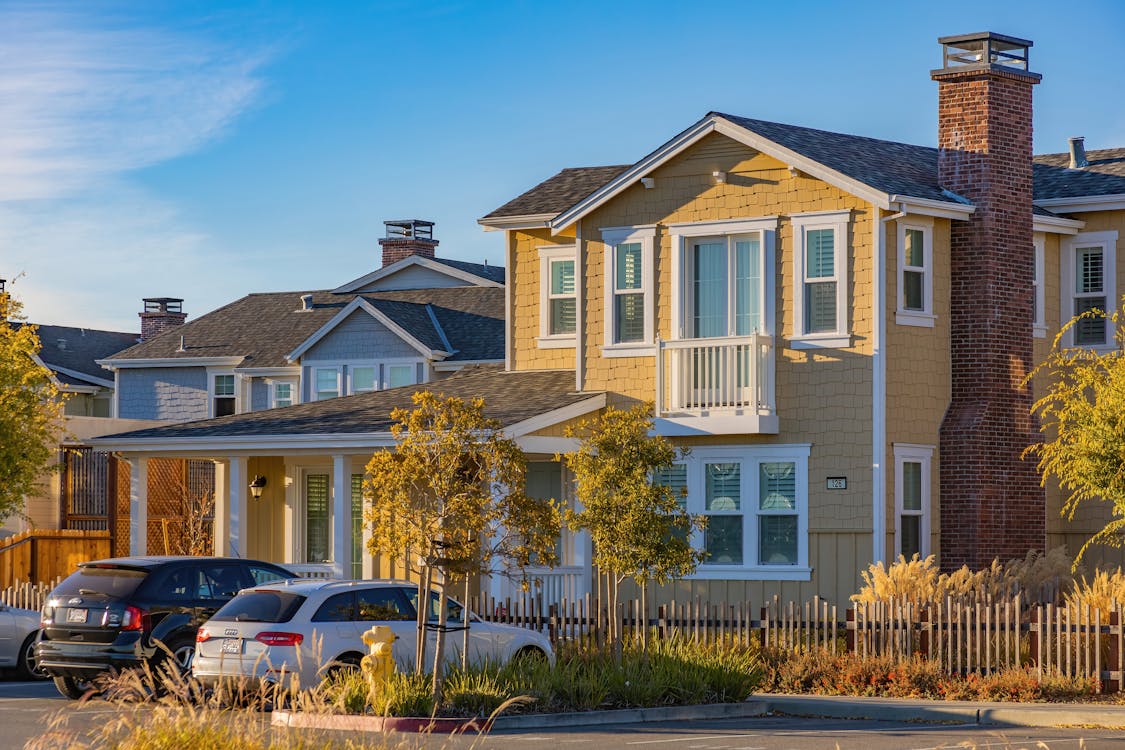
ZIP 21162 is compact: the shopping and office area around the mall and Route 43, and the townhouse, condo and apartment communities around it, with some detached homes on the edges. This page follows a leak in those shared buildings from before it starts, through the first hour, to what happens after.
Page reviewed
HOA or property manager? Tell us which buildings and units are wet.
Managing a Building? Call UsWhite Marsh at a glance
White Marsh is in north-eastern Baltimore County where I-95 meets Route 43, with Perry Hall to the west, Nottingham to the south-west, Middle River to the south-east, and Kingsville and Upper Falls to the north. It grew mostly from the 1970s onward as a planned town center, with a regional mall, the Avenue shopping district, offices and business parks at its core and residential communities spreading out around them.
Most of the housing is shared or attached: townhouse rows, stacked condominiums, garden and mid-rise apartments, and some age-restricted communities, many managed by homeowners' associations or management companies. Detached single-family homes sit on the edges, blending into Perry Hall and Nottingham. Most buildings date from the 1980s onward, so plumbing is mainly copper and plastic, with unit water heaters and in-unit laundries common.
That shapes water damage here. In stacked buildings, a leak in one unit reaches the one below or beside it, and the person who finds it often isn't the one with the source. In rentals, the tenant who discovers water may not be able to approve work. In townhouse rows, a failed washer hose on the top floor can reach the garage two floors down.
Many communities here also include owners who travel or winter elsewhere, and investors who rent units out, so a good number of homes sit empty for stretches of the year. An empty unit above an occupied one is where the longest-running leaks tend to start.
We connect owners, tenants, landlords, boards and property managers across ZIP code 21162 in White Marsh with local restoration crews.
White Marsh is on public water and sewer. The land is mostly gently rolling, with streams draining toward the Gunpowder and Middle River, and newer landscaping means younger trees, so gutters clog less often than in older neighborhoods. Summer thunderstorms still test roofs, balcony doors and downspouts, and winter freezes can split lines in exterior walls and unheated stairwells.
Who handles which repair varies from one community to the next, and only your association and your own insurer can answer it. Knowing whom to call first, and having the management office's after-hours number to hand, makes the first hour of any leak much smoother.
Before: the small fittings that cause big leaks
Many of the leaks that end up in the unit below start at a part smaller than a thumb. Braided supply lines to toilets and sinks, the small shutoffs under fixtures called angle stops, washing machine hoses, dishwasher lines and refrigerator ice-maker tubing all wear out. Rubber hoses harden and split, braided lines corrode where the braid meets the crimp, and angle stops that haven't been turned in years seize open or drip at the stem.
Because these connections are under constant pressure, a failure keeps running until someone closes a valve. In a stacked laundry closet, a split washer hose can soak the floor and the ceiling below within an hour. By the time buildings here reach twenty or thirty years old, many original hoses and supply lines are due for replacement.
The fixes are inexpensive: braided washer hoses replaced every several years, new supply lines whenever a fixture is serviced, quarter-turn valves in place of seized angle stops, and a drain pan or sensor under the washer and water heater. Boards can remind owners each year. Most useful of all is knowing where your unit's shutoff is, and checking that it turns.
During: getting access and telling the right people
Stopping a leak in a shared building often depends on doors, not tools. The source may be in a unit whose owner is away, behind a locked mechanical closet, or on a riser whose valve is in a room only staff can open. Management offices and associations usually hold keys, know which valve controls which stack, and have a process for entering a unit in an emergency.
The sequence that works: whoever finds the water knocks on the unit above or beside, then calls the management office whether or not anyone answers. The office locates the source, shuts the smallest valve that will stop it, and warns residents who will lose water. The crew starts in whichever units are open and adds others as access is arranged.
Four parties usually need to hear promptly: the occupant of the source unit, the neighbors below and beside, the association or management office, and each party's own insurer. For boards and managers, a labeled riser map and an after-hours contact list shorten every loss. Who handles what is decided by the association and insurers, never by the crew.
Water dripping from the unit above? Call the office, then call us.
Water Coming Through the Ceiling? Call NowAfter: when the leak ran for days before anyone knew
A leak in an occupied home is usually found within hours. In a vacant condo, a rental between tenants, or a unit whose owner winters elsewhere, nobody hears the drip. A supply line that fails on a Monday may not be found until a showing, a turnover inspection, or the neighbor below reporting a stain. Every day in between, water soaks further into drywall, subfloor and framing and spreads to the units below.
When that kind of leak is finally found, expect more to be involved: more removal, longer drying and a thorough moisture map of every affected unit before anything is rebuilt. Readings are taken above, below and beside, including units nobody has reported, and each unit gets its own record.
Prevention is cheap. Owners of empty units can shut off the unit's water, install sensors that alert a phone, and ask a neighbor or the office to check in. Landlords can show tenants the shutoff at move-in and post an after-hours number inside the unit. Boards can keep a list of units that sit empty for long stretches.
Found a long-running leak tonight? We'll tell you when a crew can get there.
Call, Even After DarkWhite Marsh water damage questions
Usually the management office or the association's maintenance contractor. Riser valves often sit in locked mechanical rooms or closets. Keep the office's after-hours number handy, and ask your board for a riser map showing which valve serves your stack before anything goes wrong.
Call the association or management office first so they can get the roof or exterior looked at, then call us to dry the inside. Photograph the ceiling and anything damaged. Questions about who handles which repair go to the association and your own insurer.
That question belongs with the association and each owner's own insurer. Tenants start with their landlord. The crew doesn't make that call; it keeps clear, separate readings, photos and notes for each unit so everyone works from the same facts.
Call when your tenant or the office reports the leak. We'll connect you with a local crew that can meet your tenant or building staff for access. You'll receive photos, readings and a written scope, so you can approve work without traveling.
Tank water heaters commonly last eight to twelve years. In many White Marsh condos and townhouses the heater sits in a closet above or beside someone else's ceiling, so a drain pan and a sensor are worth adding well before it ages out.
Put a bucket under the drip, stay out from under any sagging ceiling, and call the office so they can reach the unit above and shut the heater's supply. Drying in your unit can start right away, with its own readings and photos.
Stay out of the water and don't touch anything electrical. Leave the area, call your utility, and tell the management office. An electrician should check before power is restored there. Once the area is cleared, the crew can extract and dry the unit.
White Marsh sits right at I-95 and Route 43, so travel is usually short, but arrival depends on where crews are working when you call. We'll give you an honest estimate and walk you through stopping the water in the meantime.
From what the crew finds: how many rooms and units got wet, what has to be removed, how much equipment runs and for how long, and whether the water was clean. The crew explains the scope and pricing for each unit before starting.
Nearby communities and related services
White Marsh is part of our Baltimore Metro region. Services White Marsh owners, tenants and managers use most:
- Condo & Shared-Building Water Damage
- Multi-Unit & Apartment Water Damage
- Rental Property Water Damage
- Vacant Unit Water Damage
- Appliance Leak Water Damage
- Ceiling Water Damage Repair
Neighboring communities:
Talk to someone who knows the communities around the mall and Route 43.
Get Connected to a Local CrewCondo, townhouse or apartment in White Marsh? Call first.
We'll connect you with a crew that works with boards, offices and landlords.
Water's stopped? Ask us what happens next in your building.
Ask What Happens Next