Baltimore County · ZIP 21237
Rosedale, MD water damage restoration for Cape Cods, ramblers and townhouses
Rosedale sits right on the eastern side of the Beltway, where I-695, Pulaski Highway and Philadelphia Road meet, so crews working in the eastern county are rarely far away. What decides how bad a leak gets is usually what happens before they arrive, and where the water went.
Page reviewed
Rec room carpet wet? Tell us where the water started.
Water in the Basement? Call NowRosedale at a glance
Rosedale is in eastern Baltimore County, just outside the city line, with Parkville and Nottingham to the north-west, Essex to the south-east and Dundalk to the south. Pulaski Highway, Philadelphia Road and the Beltway cross it, and the Golden Ring area on its north-east side is a busy retail hub. Away from those roads, Rosedale is a settled residential community with long streets of modest homes.
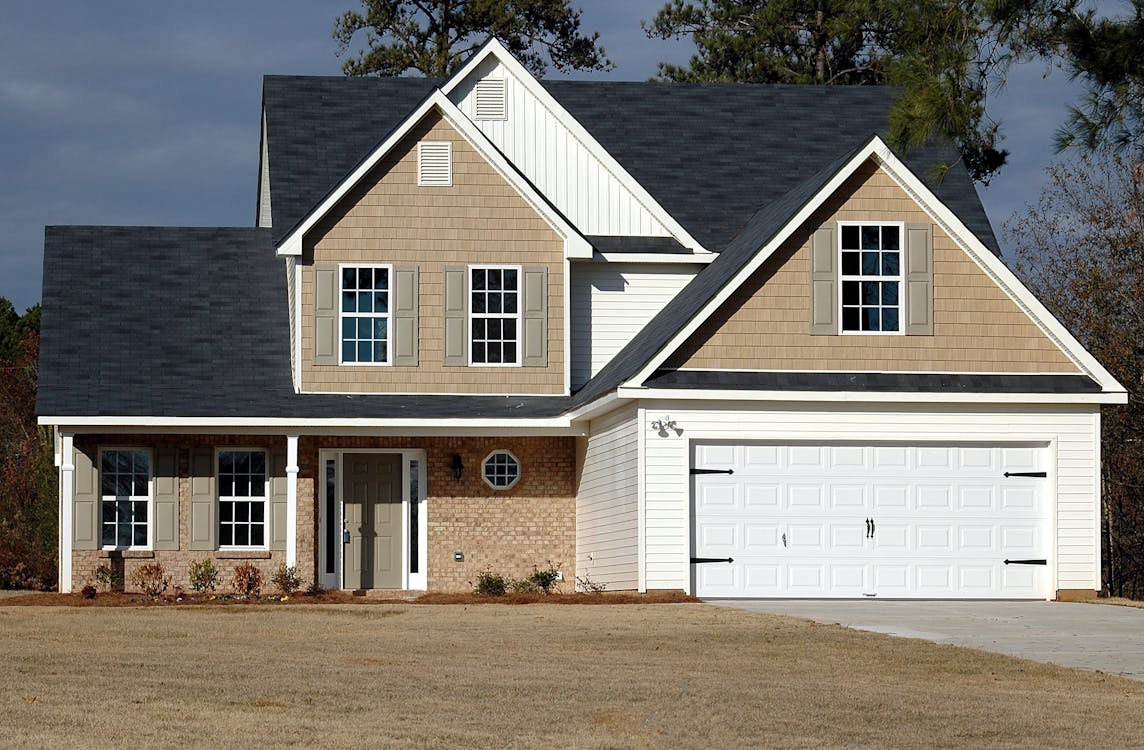
Most of the housing went up after the Second World War. Brick and frame Cape Cods and ramblers fill many older streets, and later decades added split-levels, townhouse rows and garden apartment complexes, along with some newer infill. Nearly every detached house has a basement, often finished at some point with paneling, a drop ceiling and carpet, and many Cape Cods have finished bedrooms under the roof.
Houses of that age share plumbing traits. Water heaters and washer hoses have been replaced, but many supply lines, angle stops and drain lines are older. Cast-iron drains and clay or cast-iron sewer laterals are common in the older streets. The garden apartments and townhouses add stacked or side-by-side units, where a leak can move into the neighbor's home.
Many basements were finished decades ago by owners working in stages, with paneling over furring strips, drop ceilings and carpet laid straight on the concrete. Those layers hide a slow leak well, and they're also what has to be pulled back so the walls and slab underneath can dry.
We connect Rosedale homeowners, landlords, tenants and managers across ZIP code 21237 with local restoration crews.
Rosedale is on public water and sewer. The land is gently rolling to fairly flat, with streams draining toward the Back River, and the soils hold enough clay that water lingers against foundations after long rains. Mature street trees fill gutters every autumn, and summer thunderstorms can drop more rain in an hour than older gutters and downspouts were built to handle.
Because the Beltway and main roads run right through it, getting a crew to Rosedale is usually quick. The first minutes are still yours: closing the valve, moving what you can, photographing the damage and noting how long the water ran all shape what the crew does when it arrives.
The finished basement and the leak nobody saw
In a Rosedale Cape Cod or rambler, the finished basement is often the family room, the laundry and the storage space all at once. It's also where slow leaks do the most damage. Carpet sits on pad over the slab, and paneling or drywall runs down to a bottom plate on the concrete. A drip from the water heater, a weeping washer valve or a sweating cold-water pipe spreads under the pad and wicks up the wall before anything shows on the surface.
By the time the carpet feels damp or a baseboard swells, the pad is soaked and the wall has been wet at its base for days or weeks. Drying below grade takes longer than upstairs because the slab gives up moisture slowly and cool basement air holds it. Pad usually comes out, carpet can sometimes be lifted, dried and relaid, and paneling or drywall is removed a little above the wet line so the cavity can dry.
Early warning costs very little: a water sensor next to the heater and another under the washer, a weekly look into the utility corner, and a check of the water meter when a bill jumps.
Paneling swelling or carpet damp? Let's find out how far it spread.
Call to Arrange a CrewGutters, downspouts and window wells: outside causes
A lot of Rosedale basement water starts outside. A clogged gutter overflows along its whole length, dropping roof water right beside the foundation. A downspout that empties at the corner of the house, or into a buried line that has cracked, soaks one spot heavily. On flatter lots, that water doesn't run away on its own; it sinks in beside the wall.
Signs it's coming from outside
- Wet only during or after rain
- Along one exterior wall
- Below a gutter or downspout
- At a window well or stairwell
Fixes that usually work
- Gutters cleaned twice a year
- Downspouts extended several feet
- Window-well covers or clear drains
- Soil built up where it has settled
Window wells on basement windows and exterior stairwells with floor drains collect leaves and rain; when their drains clog, water pushes through the frame or under the door. Concrete stoops and walks that have tilted toward the house over the decades send water to the foundation too. Drying the inside without fixing these means the same wall gets wet at the next storm.
Water coming in under a window or door? We'll tell you straight when someone can come.
Ask for a Crew VisitNearby communities and related services
Rosedale is part of our Baltimore Metro region. Services Rosedale callers use most:
- Finished Basement Water Cleanup
- Gutter & Drainage Water Intrusion
- Water Heater Leak Cleanup
- Appliance Leak Water Damage
- Multi-Unit & Apartment Water Damage
- Moisture Detection & Inspection
Neighboring communities:

Leak from the apartment or bathroom above? Call now.
Water Coming Through the Ceiling? Call NowSupply lines, angle stops and appliance hookups
Many of the most damaging leaks start at a fitting smaller than a thumb. Braided supply lines to toilets and sinks, the small shutoffs under fixtures called angle stops, washing machine hoses, dishwasher lines and refrigerator ice-maker tubing all wear out. Rubber hoses harden and split, braided lines corrode where the braid meets the crimp, and old multi-turn angle stops seize open or drip at the stem when someone finally turns them.
Because these connections are under constant pressure, a failure keeps running until someone notices or closes a valve. A split washer hose in a basement laundry can put a lot of water on the floor in an hour. In a garden apartment or townhouse, the same failure is often the source of water in the unit below or beside. Refrigerator ice-maker lines crack when a fridge is pushed back after cleaning, and nobody sees it happen.
The fixes are inexpensive: braided washer hoses replaced every several years, new supply lines whenever a fixture is serviced, quarter-turn valves in place of seized angle stops, and a pan or sensor under the washer and water heater. Most important of all is knowing where the main shutoff is and making sure it turns. Landlords can add these checks to every turnover.
Rosedale water damage questions
Many concrete stoops have settled and tilted toward the house over the years, so rain runs straight to the foundation beneath them. Some also sit over a small space against the basement wall that stays cold and damp. Regrading or resealing the joint often helps.
Call the management office first so they can reach the unit above and shut the water off. Photograph your ceiling and belongings. The crew dries your unit with its own records, and your belongings are a question for your renter's insurer.
Find the main shutoff first, in case the pipe has split. Open the faucet it feeds, then warm the pipe slowly from that end with a hair dryer or warm towels. Never use a flame. If it's inside a finished wall or ceiling, call a plumber.
Most tank heaters last about eight to twelve years; the date is usually coded on the label. In a Rosedale basement the heater often sits beside finished space or stored boxes, so a drain pan and a leak sensor are cheap insurance against a surprise.
Put a bucket under the drip, keep clear of any sagging ceiling, and call the office or the neighbor above so the heater's supply can be shut off. Drying in your unit can start right away, with readings and photos kept separately from theirs.
If the water was clean and extraction starts quickly, carpet can often be lifted, dried and relaid over new pad. Carpet that sat in water from a floor drain backup or a drain line is removed. Old carpet glued to the slab is usually harder to save.
Usually a written scope, dated photos from before and during the work, moisture readings showing each area reaching dry, and a list of what was removed. Keep them with your own photos for your insurer and for whoever handles repairs later.
Turn off every tap and appliance, then look at the meter's small leak indicator, a triangle or star dial. If it's turning, water is going somewhere. For slow leaks, note the reading, use no water for an hour or two, and check again.
Surface temperature, not water. Wet materials often read cooler, so the camera shows patterns worth checking, like a cool band along a wall. Ducts, drafts and cold exterior walls show up too, so crews confirm with a moisture meter before deciding anything.
Cape Cod, rambler or apartment in Rosedale? Call first.
We'll connect you with a crew that knows finished basements and older fittings.
We'll tell you plainly what to expect and what to do meanwhile.
Get Straight Answers by Phone