
Baltimore County · ZIP 21071
Glyndon, MD water damage restoration for Victorian homes and village twins
Many of Glyndon's houses date from the 1870s to the early 1900s, when the village grew around a railroad stop as a summer retreat from Baltimore. Porches, plaster, wood floors and stone or brick cellars came with them, and each reacts to water in its own way.
Page reviewed
Cellar wet after rain? Tell us which wall and how much.
Water in the Basement? Call NowGlyndon at a glance
Glyndon is a small historic village in north-western Baltimore County, just north-west of Reisterstown, with Butler and Upperco beyond it in open country and Owings Mills to the south-east. Butler Road and Glyndon Drive run through it, and the Emory Grove camp meeting grounds sit on its edge. Much of the village is a historic district, with tree-lined streets, deep lawns and a quieter pace than the busier towns around it.
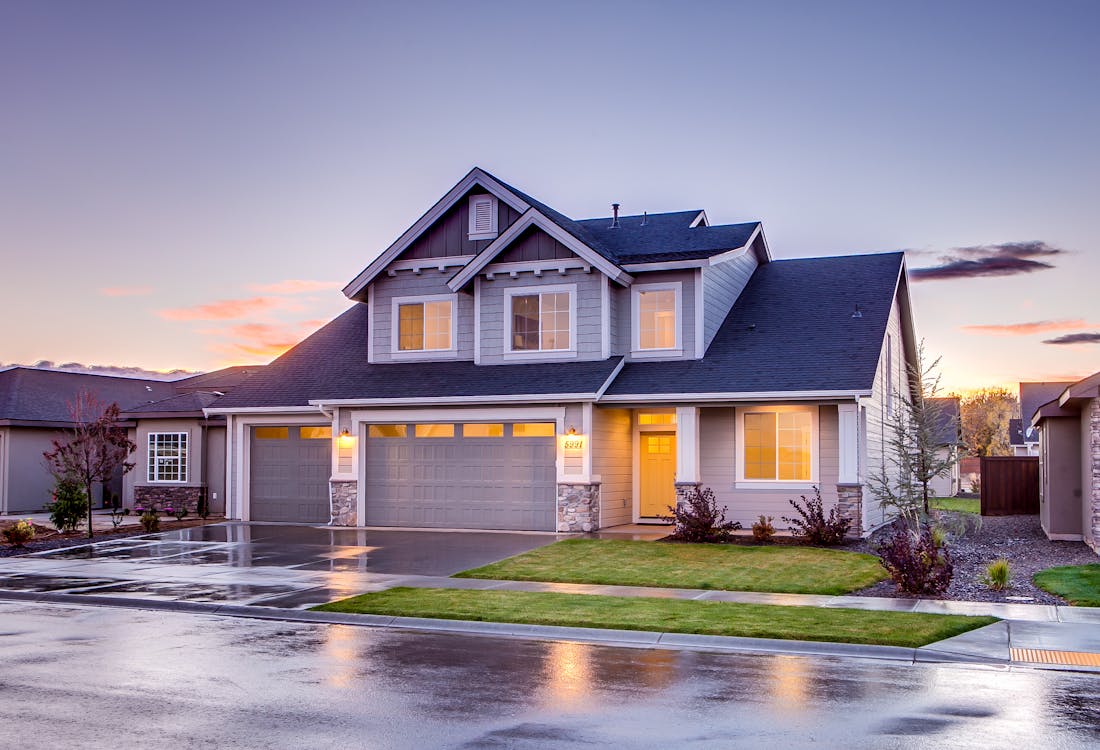
The oldest houses are Victorian frame and brick homes with wide porches, tall windows, steep roofs and decorative trim, some detached and some built as twins sharing a center wall. Around the historic core, later decades added colonials, ranches and newer subdivisions on larger lots. Most houses, old and new, have a basement; in the oldest it's usually a stone or brick cellar with a low ceiling, a floor drain and the water heater tucked in a corner.
Old houses carry old systems. Many still have cast-iron drain stacks and clay or cast-iron sewer laterals, some still have sections of galvanized supply pipe, and nearly all have original or early hardwood floors, often pine or oak laid over board subfloors. Plaster on lath is common in the older rooms. Each of these dries differently from modern drywall and plywood, and each deserves care before anything is removed.
Many owners have renovated in stages over the years, so a single house can hold plumbing and wiring from several different eras, and additions often sit on crawl spaces rather than cellars. That patchwork is worth knowing about before water finds it.
We connect Glyndon homeowners, landlords and renters across ZIP code 21071 with local restoration crews.
The village sits on rolling ground with mature trees shading most lots. Leaves fill gutters every fall, and summer thunderstorms test downspouts that often empty close to old foundations. Winters bring cold snaps that reach pipes in exterior walls and in additions built over crawl spaces. Some homes toward the edges of the area rely on private wells and septic, while the village core is served by public systems.
Owners here tend to want repairs that respect the house. That means drying in place wherever readings allow, saving original trim and flooring when possible, and matching materials when something has to go.
Twin houses and the shared center wall
A number of Glyndon's older homes were built as twins: two houses under one roof, sharing a center wall. In the oldest that wall is often solid masonry; in later ones it may be framed. Either way, water that reaches the base of it doesn't respect the property line. It follows joists that bear on the wall, runs along the floor and the joint where wall meets cellar floor, and can wick into brick or stone.
A leak in one side's kitchen or cellar can show up as a stain or damp spot on the other side days later. Cellars in twins often have their own quirks: a shared or closely spaced sewer connection, a floor drain near the party wall, and front and rear walls that meet the ground at different heights.
After a leak near a shared wall, readings on both sides tell whether the neighbor's home is affected, and drying may need access to both. Tell your neighbor early. Roofs are shared too: a clogged gutter or valley on one half can push water under the flashing of the other, and a repair on one side may need a matching repair on the other.
Damp spot on the shared wall? A crew can check both sides.
Call to Arrange a CrewCast-iron drains in older Glyndon houses
Before plastic drains, houses were plumbed with cast-iron drain and vent pipes, joined with lead and oakum or later with rubber couplings. Many Glyndon homes still have them. Cast iron lasts a long time, but it corrodes from the inside, especially along the bottom of horizontal runs, and joints loosen as a house settles over a century or more.
Because drains carry water only when fixtures are used, these leaks come and go. A stain on the cellar ceiling that grows after showers, a damp spot under the kitchen stack after the dishwasher runs, or a smell near a cleanout are the usual signs. Water from a drain has already been used, so affected porous materials are handled more cautiously than with a clean supply leak.
A plumber can camera-inspect the lines and decide whether to repair a section or replace a run. Where roots have worked into an old clay or cast-iron lateral to the street, cellar drains may back up in heavy use or heavy rain. The restoration crew cleans and dries; the plumber fixes the line. If a cleanout or joint weeps, put a pan under it and limit water use upstairs until the plumber arrives. In a twin, tell the neighbor too, since the lines may run close together.
Nearby communities and related services
Glyndon is part of our Baltimore Metro region. Services Glyndon households use most:
- Hardwood Floor Water Damage
- Basement Water Damage
- Sewage Backup Cleanup
- Water Leak Behind a Wall
- Ceiling Water Damage Repair
- Moisture Detection & Inspection
Neighboring communities:
Old house, careful work: tell us what got wet and we'll send a local crew.
Call a Local CrewOld wood floors: cupping, crowning and patience
Wood swells as it takes on moisture, and a tightly laid floor has nowhere to go. When water gets under the boards, they swell across their width and the edges rise above the centers. That's cupping, and it means the underside is wetter than the top. With more water, boards can lift off the subfloor entirely. Older floors laid over board subfloors can also trap water between the layers.
Cupping often looks worse than it is. When the floor and the board subfloor beneath are dried properly, from above with drying mats and from the cellar below where there's access, many boards settle substantially. Old-growth pine and oak in a Glyndon house deserve that chance, because matching them later is hard. Plaster ceilings below a wet floor are checked at the same time, since water often travels down through them.
Patience is the rule. Hardwood dries slowly, often over one to two weeks. The most common mistake is sanding too soon: sanding cupped boards flat removes wood from the raised edges, and when the centers finish drying, the floor ends up crowned. Waiting for stable readings, then deciding which boards need replacing and whether to refinish, gives the best result.
Boards cupping after a leak? Start with a call before anyone sands.
Start With a CallGlyndon water damage questions
Drying and interior repairs work the same way. Exterior changes in a county historic district may need review before work starts, so check with Baltimore County before replacing windows, siding or roofing. Photograph original trim before anything is removed so it can be matched.
Your neighbor, as soon as the water is stopped, and your own insurer. Water near a shared wall can travel into their side, so readings on both sides are worth taking. If you rent, tell your landlord first; they may need to reach the other owner.
In the crawl space itself, along joists and in insulation, and at the seam where the addition meets the old house. Kitchens and baths added later often run supply lines through that cold space. A soft floor, a musty smell or a cold spot are the usual clues.
Seepage follows rain, sits along exterior cellar walls and fades between storms. A plumbing leak ignores the weather and sits near a pipe, fixture or the heater. Turn every tap off and check the meter's leak indicator; if it moves, the water is coming from inside.
Usually the line to the street is partly blocked, often by roots in an old clay lateral, or the drain is overwhelmed in a heavy storm. Stop running water in the house. A plumber can camera the line; the crew cleans up what came back.
In a stone or brick cellar under a Victorian house, some seasonal dampness usually is. Those walls were built to breathe, not to stay dry. Standing water, a damp patch that spreads, or wet framing above the foundation are not normal and deserve a look.
In most older Glyndon houses, on the cellar wall facing the street, where the service line enters, often near the meter. In newer homes, look in the basement utility area. On a well, the pump breaker matters as much as the valve.
Fans move air across wet surfaces, but on a humid day they mostly push damp air around. Drying needs dehumidifiers to pull moisture out of the air so materials can release theirs. In plaster and old wood, that controlled drying protects the finish too.
Usually, yes. The equipment runs day and night and makes a steady hum, and the wet rooms stay closed off. If contaminated water from a drain was involved, the crew will explain whether some rooms should stay off-limits until cleaning is done.
Old house, wet cellar? Glyndon help starts with one call.
We'll connect you with a crew that dries plaster, old floors and cellars with care.
Ask how much of the original floor and trim can be saved.
Talk to a Restoration Pro